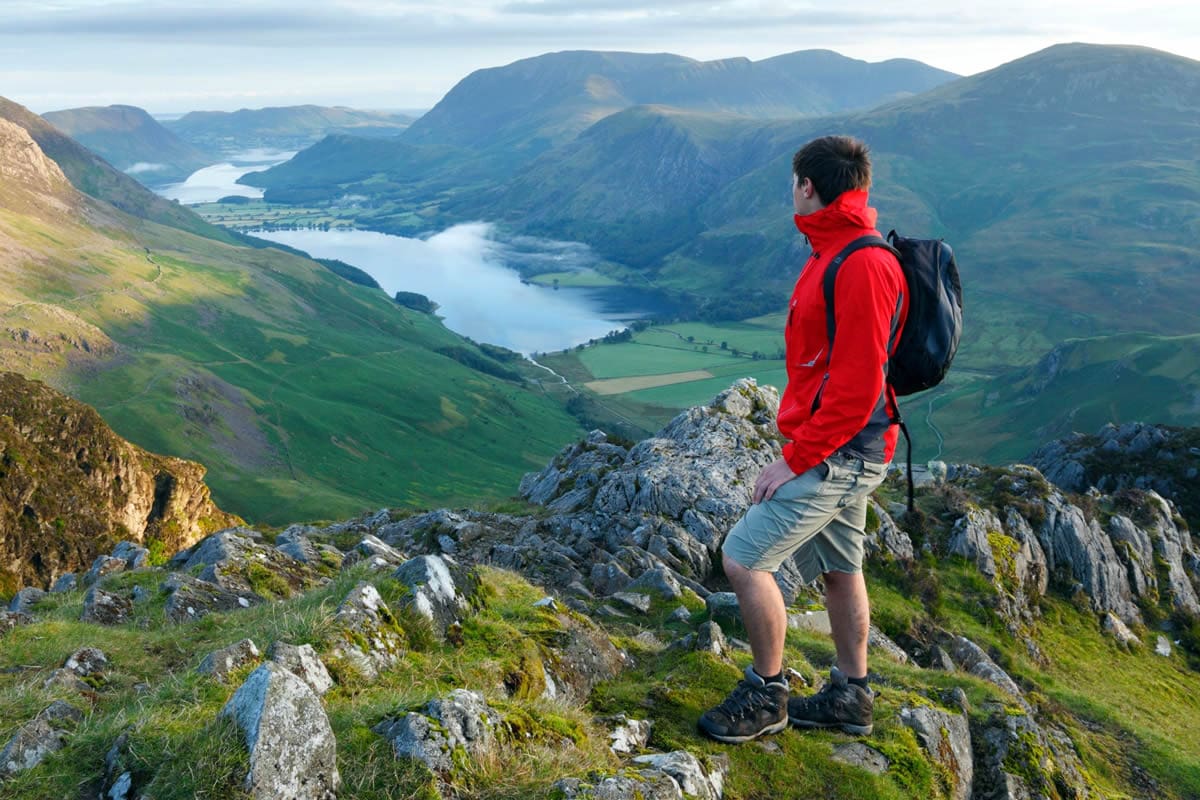
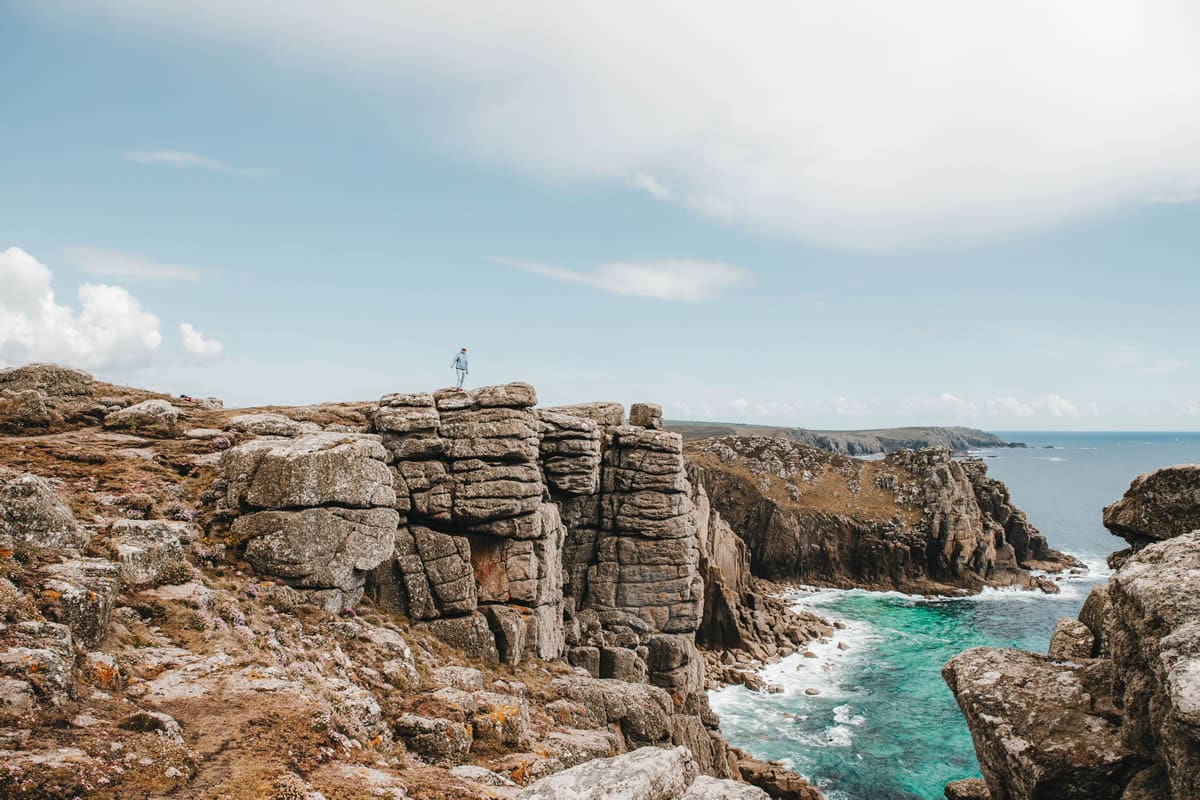
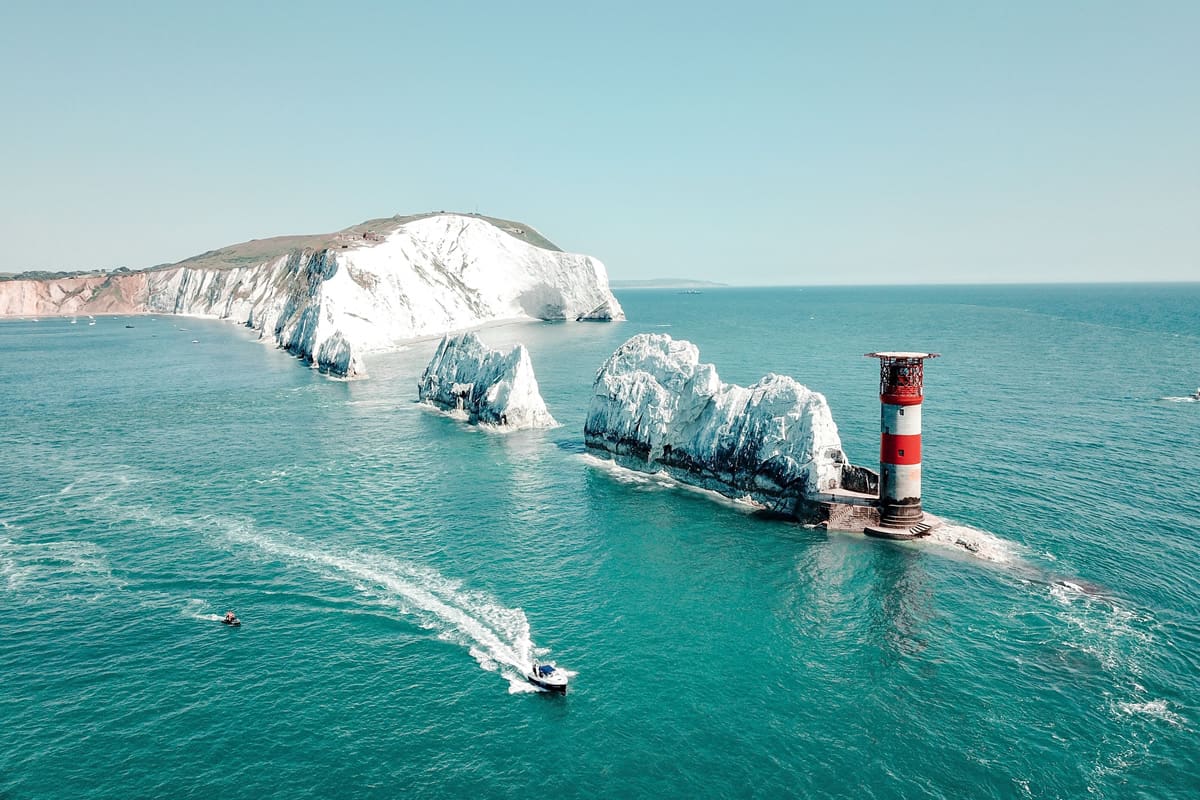
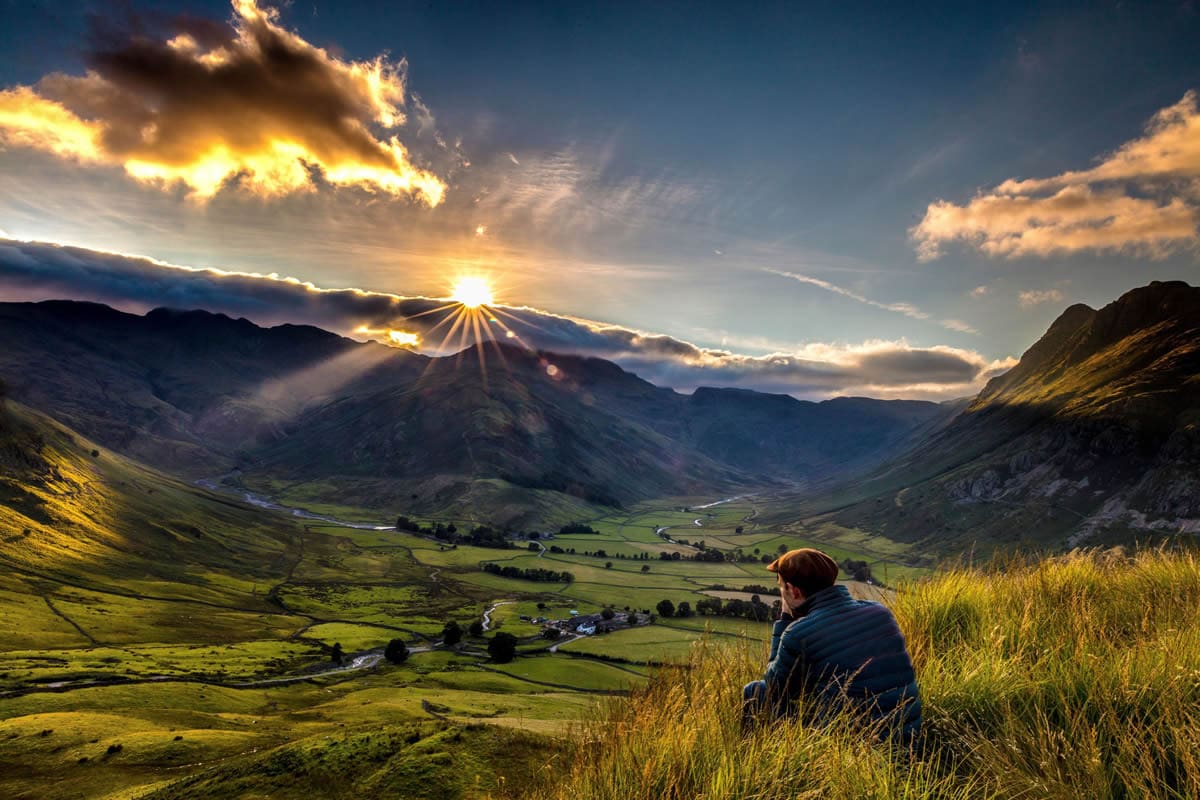
England is a country of gentle countryside, dramatic coastlines and layered history, where centuries-old traditions sit comfortably alongside modern city life. From the rolling hills of the Lake District and the wild moorlands of the Peak District to the rugged beauty of Northumberland and Dartmoor, its national parks offer endless opportunities for rambling, cycling and wildlife watching. Scenic coastlines stretch from the white cliffs of the south to windswept shores in the north, dotted with fishing villages and historic harbours. Whether exploring ancient castles, cathedral cities, market towns or vibrant cultural hubs, England delivers a richly varied landscape made for discovery at every pace.
Please note that the estimated temperature, rainfall and recommended months of when to go are based on London’s weather patterns
Information below is based on average highest temperature for each month.
8℃
10℃
12℃
15℃
19℃
22℃
24℃
23℃
20℃
16℃
12℃
10℃
12
9
9
9
9
8
7
8
8
10
10
11
Information above is based on the average number of days which experience some form of rainfall for each month.
Rainfall
When to Visit
Below gives you information and a rating of the best time of year to visit.
January
Winter is cool and often damp, with highs around 5–8°C. Frosty mornings sharpen parkland and riverbanks, while higher ground in the north may see occasional snow. It’s a good month for museum visits and theatre in London, cathedral cities such as York, and bracing coastal walks when skies are clear.
February
Still chilly, with similar temperatures, though daylight slowly extends. Snowdrops and early blossoms appear in gardens and estates. National parks such as the Peak District are quiet, offering uninterrupted walking routes, while historic towns provide refuge from unsettled weather.
March
Early spring brings highs of 9–12°C and a mix of sunshine and showers. Countryside hedgerows begin to green, and lambing season adds life to rural landscapes. It’s a pleasant time for exploring market towns, canal paths and coastal trails before visitor numbers rise.
April
Milder and brighter, with highs around 12–15°C. Bluebells spread through woodlands, particularly in the Cotswolds and southern counties. Conditions suit city sightseeing and country walks alike, though showers remain common. Longer evenings make after-work exploring more feasible.
May
Often one of the most reliable months, with highs of 15–18°C and comparatively lower rainfall. Gardens are in full colour, and walking routes in the Lake District and along the coast are especially rewarding. Outdoor events and food festivals begin appearing across towns and villages.
June
Early summer brings highs of 18–21°C and extended daylight. Coastal areas such as Cornwall become increasingly inviting, while countryside footpaths are dry and accessible. Evenings are long enough for post-dinner strolls, open-air performances and riverside dining.
July
Typically the warmest month, with highs around 20–23°C, occasionally higher during heatwaves. Beaches, national parks and historic sites are busy. Early starts are useful for walking or cycling before temperatures climb, while city parks and shaded gardens offer respite.
August
Similar warmth to July, often 19–22°C, with variable rainfall. It’s peak holiday season, and seaside towns are lively. Agricultural shows, music festivals and outdoor theatre are common. Combining rural escapes with urban breaks works well during this settled period.
September
Temperatures ease to 16–19°C, with softer light and calmer conditions. It’s a strong month for walking holidays, cycling routes and coastal exploration without summer crowds. Harvest season brings food markets and local events across counties.
October
Cooler, with highs around 13–15°C. Autumn colour spreads through woodland and parkland, especially in northern and central England. Misty mornings often clear to bright afternoons, making it a rewarding time for photography, stately home visits and countryside drives.
November
Chillier and more changeable, highs around 9–11°C. Leaves fall and daylight shortens noticeably. Coastal paths can be windswept, but inland towns and cities offer cultural events, exhibitions and seasonal dining experiences.
December
Winter returns fully, with highs of 5–8°C and occasional frost or light snow. Cities and villages decorate streets with festive lighting, and Christmas markets appear in larger centres. Clear, cold days suit short country walks, balanced by evenings spent in historic pubs or restaurants serving seasonal fare.
Our Ratings
Most Recommended
Recommended
Highly Recommended
Not Recommended
Where to book
For nearly 80 years, Ramble Worldwide has been the UK’s leading independent walking holiday specialist. With 300+ curated small-group trips across the UK, Europe and worldwide, it blends iconic highlights with authentic discoveries, expert leaders and graded routes for all abilities – creating inspiring, purposeful adventures on foot.
We use cookies to ensure that we give you the best experience on our website. If you continue to use this site we will assume that you are happy with it.



 Most Recommended
 Recommended
 Highly Recommended
 Not Recommended