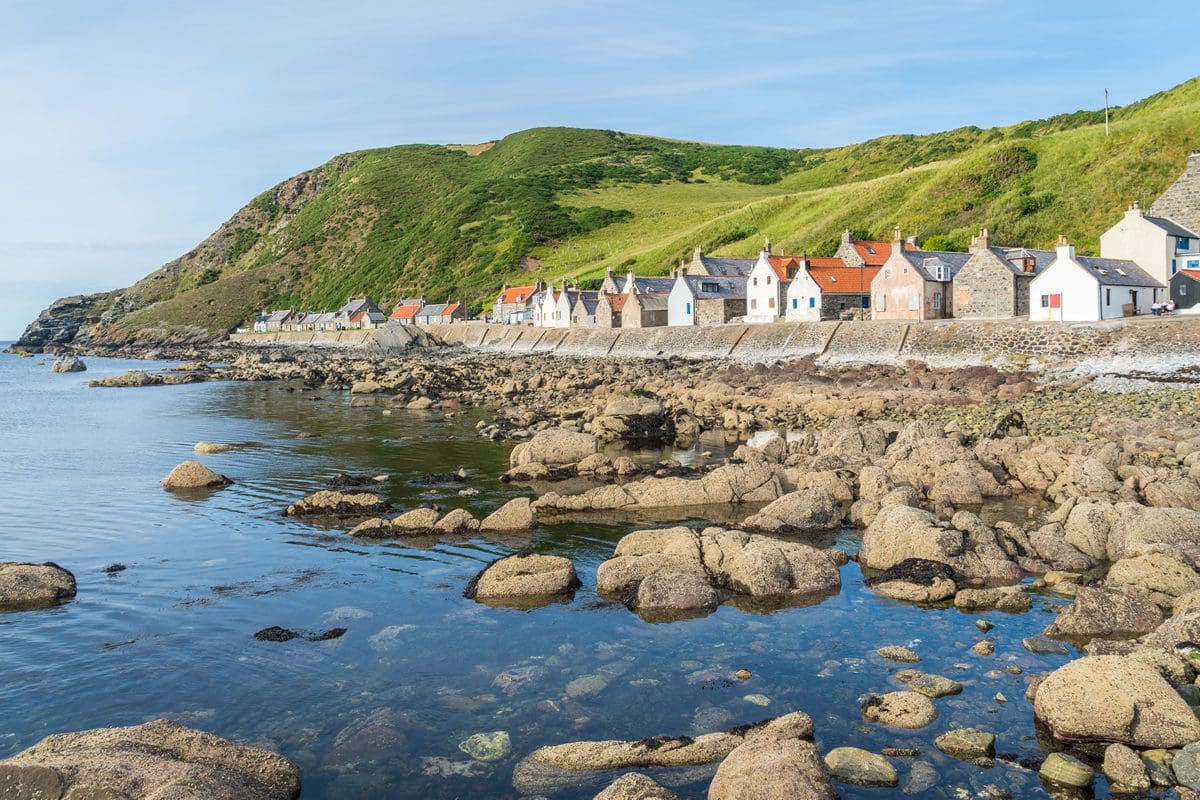
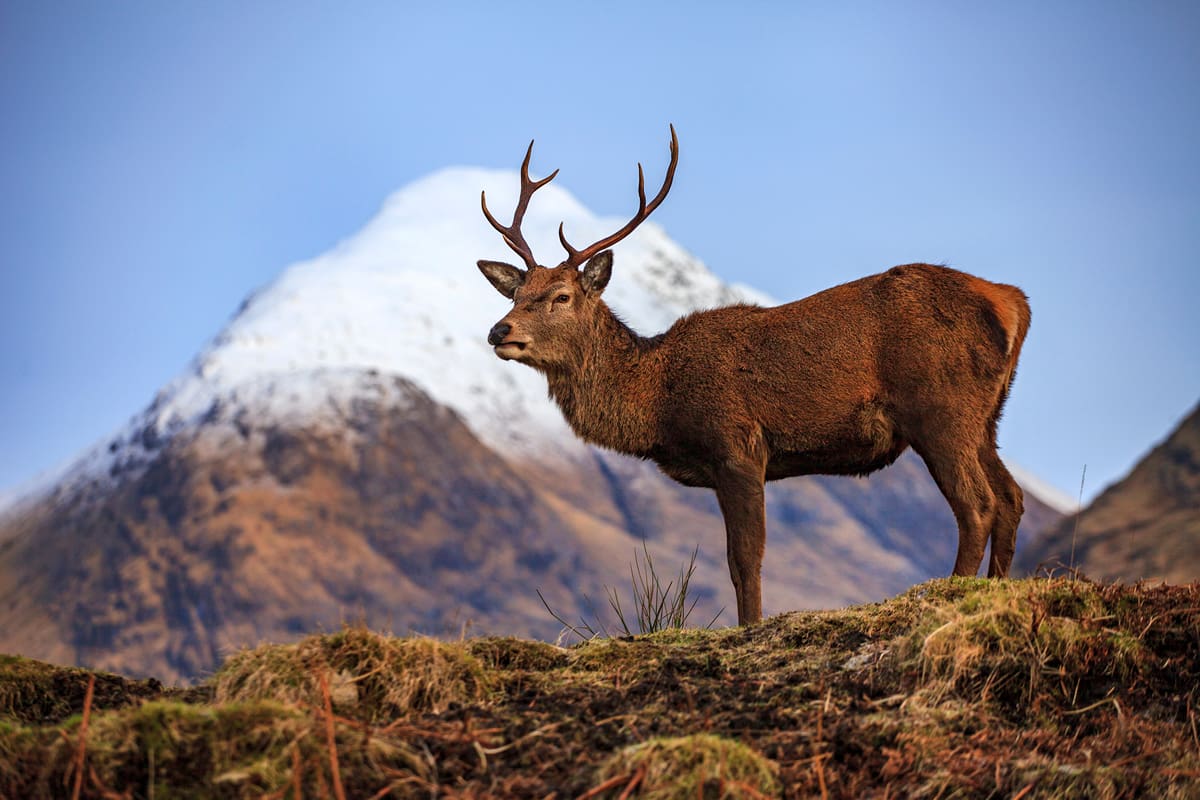
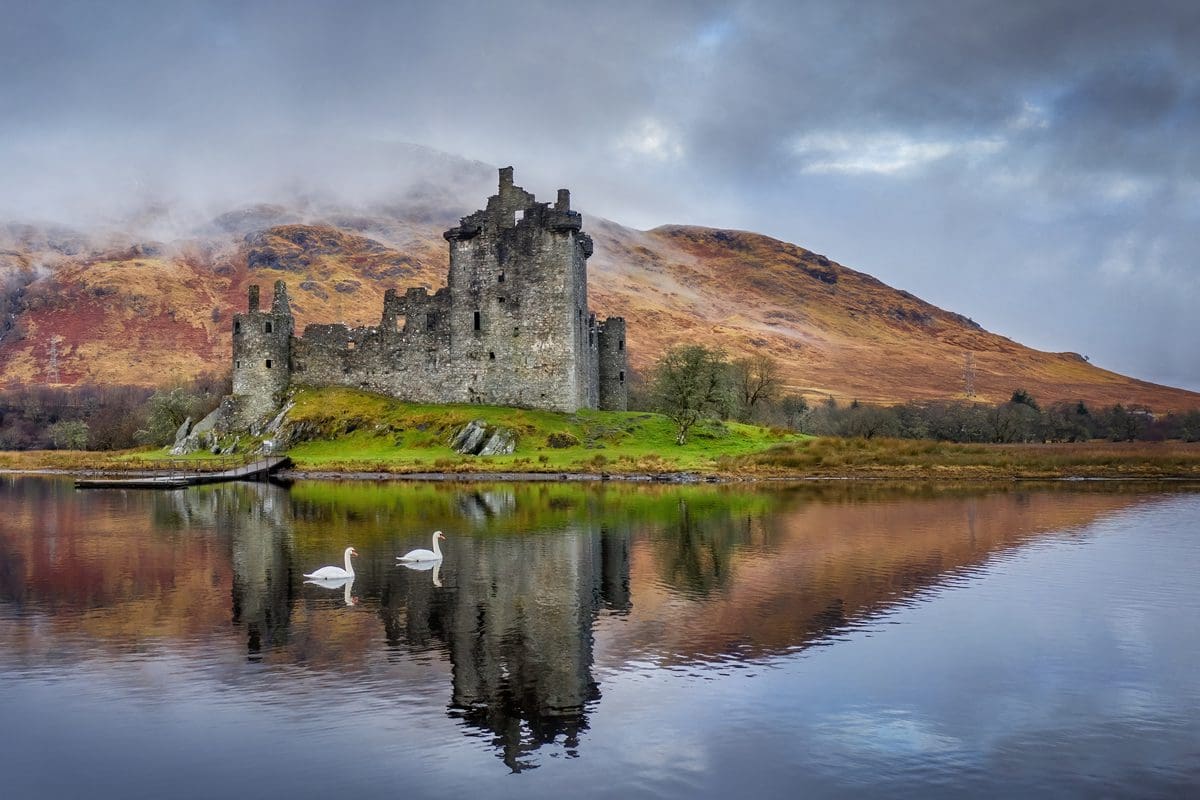
Scotland is a land of rugged beauty, rich history and vibrant culture, where misty Highlands, windswept islands and bustling cities come together in dramatic contrast. In Edinburgh, cobbled streets, medieval castles and world-famous festivals bring history and contemporary culture to life, while the Highlands offer soaring mountains, deep glens and lochs perfect for hiking, wildlife spotting or simply soaking up the scenery. Beyond the mainland, the islands—from the Hebrides to Orkney and Shetland—delight with secluded beaches, traditional villages and striking coastal landscapes. Whether exploring whisky distilleries, ancient ruins, scenic drives or lively cultural hubs, Scotland delivers unforgettable experiences at every turn.
Please note that the estimated temperature, rainfall and recommended months of when to go are based on Edinburgh’s weather patterns
Information below is based on average highest temperature for each month.
7℃
7℃
9℃
11℃
14℃
17℃
19℃
18℃
16℃
13℃
9℃
7℃
12
9
9
8
9
9
10
9
9
11
10
11
Information above is based on the average number of days which experience some form of rainfall for each month.
Rainfall
When to Visit
Below gives you information and a rating of the best time of year to visit.
January
Winter is crisp and often damp, with highs around 5–7°C in the lowlands and colder conditions in the Highlands. Snow occasionally caps the mountains, creating dramatic vistas. It’s a quiet time for exploring Edinburgh’s historic streets, coastal walks, and museum exhibitions, while whisky distilleries offer warming indoor retreats.
February
Cold but increasingly bright, with highs of 5–8°C. Snow is intermittent, especially in northern regions. It’s a good month for winter hiking in the Cairngorms, wildlife watching in the Highlands, or enjoying cultural events and gallery visits in cities such as Glasgow and Inverness.
March
Spring begins with highs of 7–10°C. Snow melts in the lowlands, revealing early greenery and blossoms. Trails across the Southern Uplands and islands become accessible, while historic sites and gardens start showing signs of the new season. Coastal paths offer fresh air and opportunities for birdwatching.
April
Mild and increasingly settled, highs around 10–13°C. It’s ideal for walking in the Highlands, exploring lochs and glens, or touring distilleries. Gardens bloom, and towns prepare for spring festivals. Days are longer, making it easier to combine city visits with outdoor excursions.
May
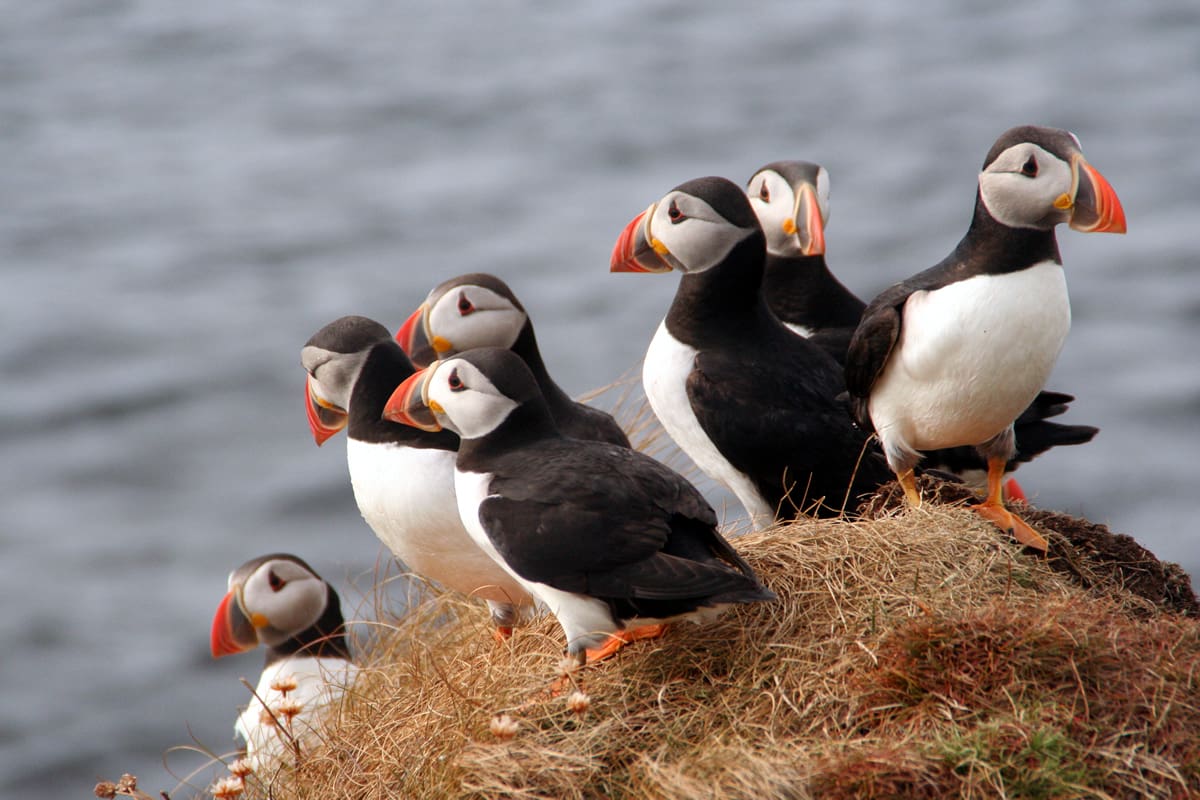
Warmer, highs around 13–17°C, with generally light rainfall. It’s an excellent time for hillwalking, island hopping in the Hebrides, and boating on lochs. Wildlife, including seals, otters, and seabirds, is more visible. Local markets and cultural events enliven towns and cities.
June
Long, bright days with highs around 16–18°C. The Highlands and islands are especially accessible, with wildflower meadows, cycling routes, and hiking trails at their best. Late evenings are ideal for photography or enjoying long summer light over lochs and coastline.
July
Warmest month, highs typically 18–20°C, with occasional showers. It’s peak time for festivals, outdoor theatre, and city events. Islands and rural areas offer walking, sailing, and wildlife-watching opportunities. Early mornings and evenings are best for quieter exploration before daytime visitors arrive.
August
Still warm, highs around 18–20°C, but wetter spells are common. Coastal paths, castle tours, and Highland walks remain rewarding, while local festivals and agricultural shows showcase Scottish culture and produce. The landscape is lush and vibrant, ideal for photography.
September
Temperatures ease to 14–17°C, with crisp mornings and calm afternoons. Autumn colours emerge in forests and glens, creating dramatic scenery. It’s a perfect time for whisky tours, scenic drives, hiking, and exploring quieter islands before the onset of winter weather.
October
Cooler, highs around 10–13°C, with more frequent rainfall. Mist and early frost lend a moody atmosphere to mountains and coastal cliffs. It’s an atmospheric month for castle visits, photography, and wildlife spotting. Trails remain accessible, though shorter daylight requires planning.
November
Chill sets in, highs around 7–9°C, and days shorten noticeably. Coastal and urban walks are brisk but rewarding, with fewer tourists. Indoor attractions, such as galleries, museums, and historic houses, provide warm retreats, while early winter storms highlight Scotland’s dramatic coastline.
December
Winter settles fully, highs around 5–7°C. Snow occasionally blankets the Highlands and Cairngorms, while towns and cities sparkle with festive lights. Short days make cultural and culinary experiences appealing, and quieter trails allow contemplative walks along lochs and glens.
Our Ratings
Most Recommended
Recommended
Highly Recommended
Not Recommended
Where to book
For nearly 80 years, Ramble Worldwide has been the UK’s leading independent walking holiday specialist. With 300+ curated small-group trips across the UK, Europe and worldwide, it blends iconic highlights with authentic discoveries, expert leaders and graded routes for all abilities – creating inspiring, purposeful adventures on foot.
We use cookies to ensure that we give you the best experience on our website. If you continue to use this site we will assume that you are happy with it.






 Most Recommended
 Recommended
 Highly Recommended
 Not Recommended