When to Visit
Below gives you information and a rating of the best time of year to visit.
January
Deep winter grips northern China, with highs around 2–5°C in Beijing and much colder nights, while the south remains milder at 10–15°C. Snow dusts the Great Wall and Forbidden City, creating striking scenes. It’s a quieter time for sightseeing, while Harbin’s famous ice sculptures glow spectacularly after dark.
February
Cold continues in the north, though days slowly lengthen. In the south, blossoms begin appearing in warmer provinces. Chinese New Year celebrations transform cities and villages alike, with lantern displays, temple fairs, and family feasts bringing colour and tradition to streets across the country.
March
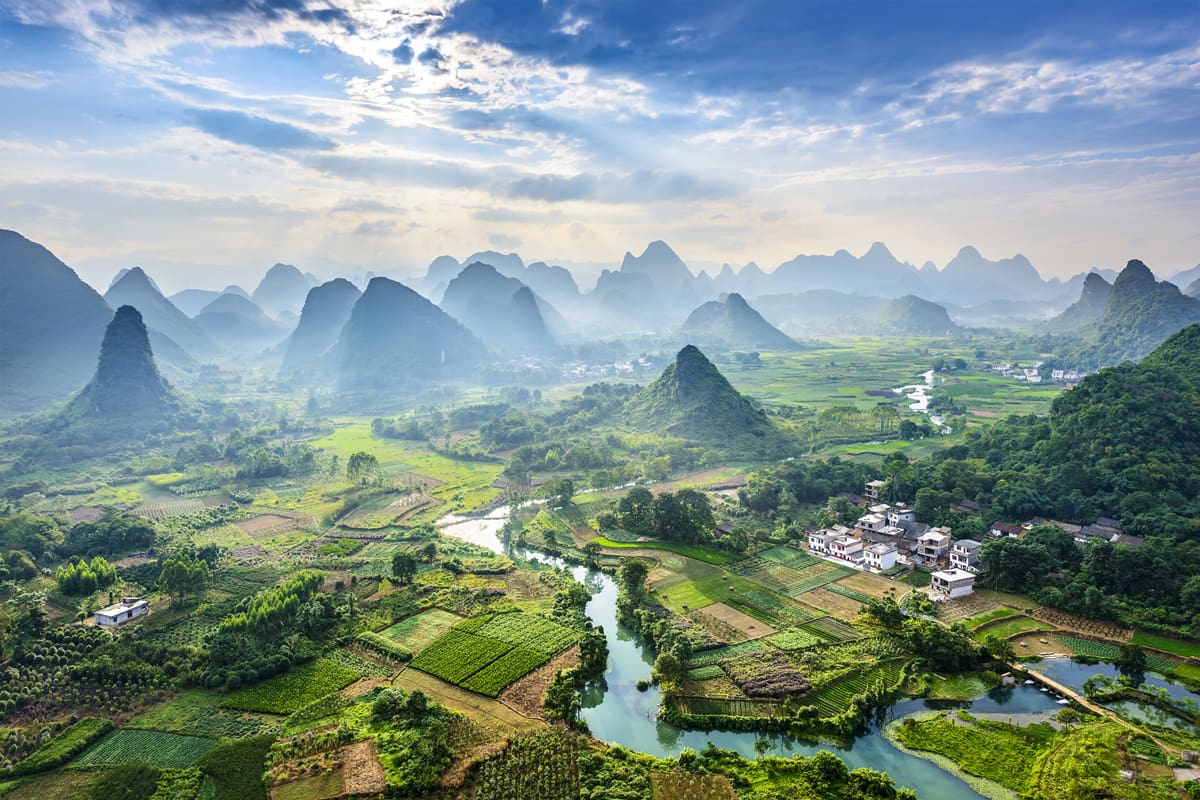
Spring emerges gently, with highs around 12–16°C in Beijing and Shanghai. Cherry blossoms bloom in parks, and countryside landscapes turn green. It’s a wonderful month for exploring classical gardens in Suzhou, walking sections of the Great Wall, or cruising the Li River near Guilin before peak crowds arrive.
April
Comfortable and bright, with highs around 18–23°C in many regions. Wildflowers bloom across Yunnan and the Yellow Mountains, while Beijing and Xi’an enjoy mild sightseeing weather. This is one of the best months for cultural exploration, scenic hikes, and river cruises.
May
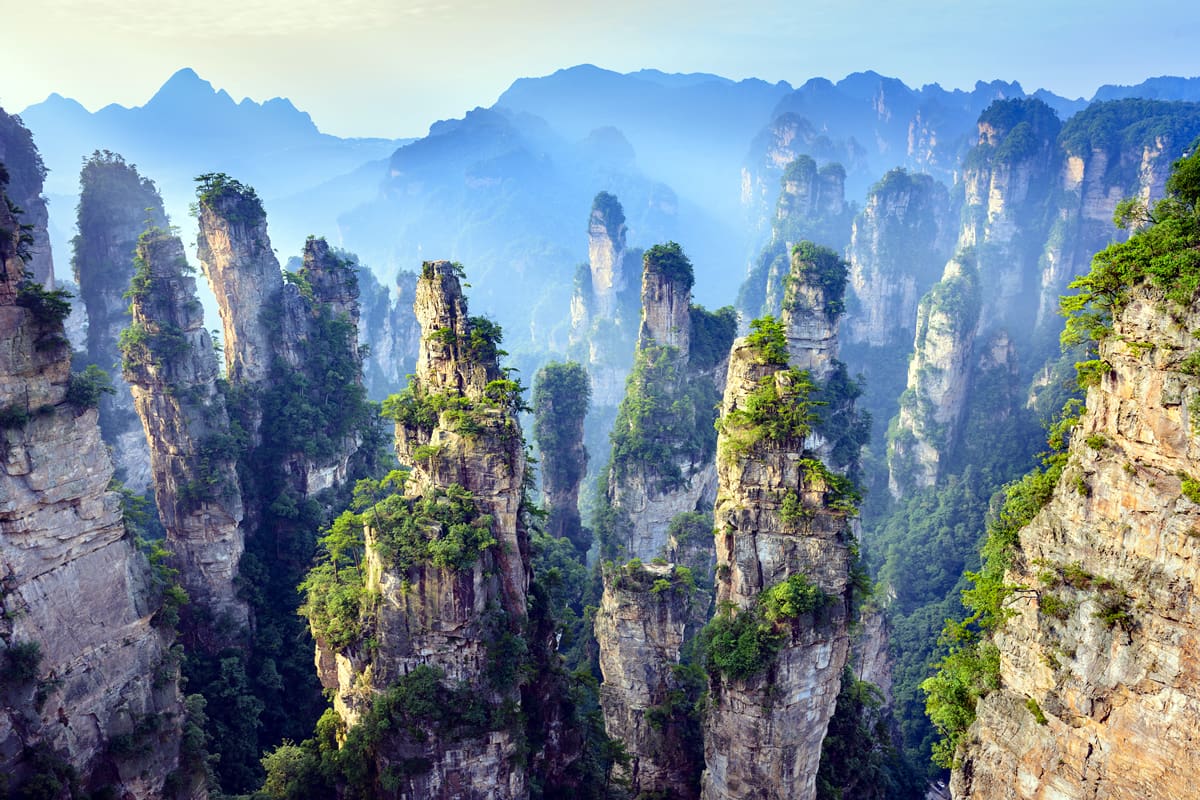
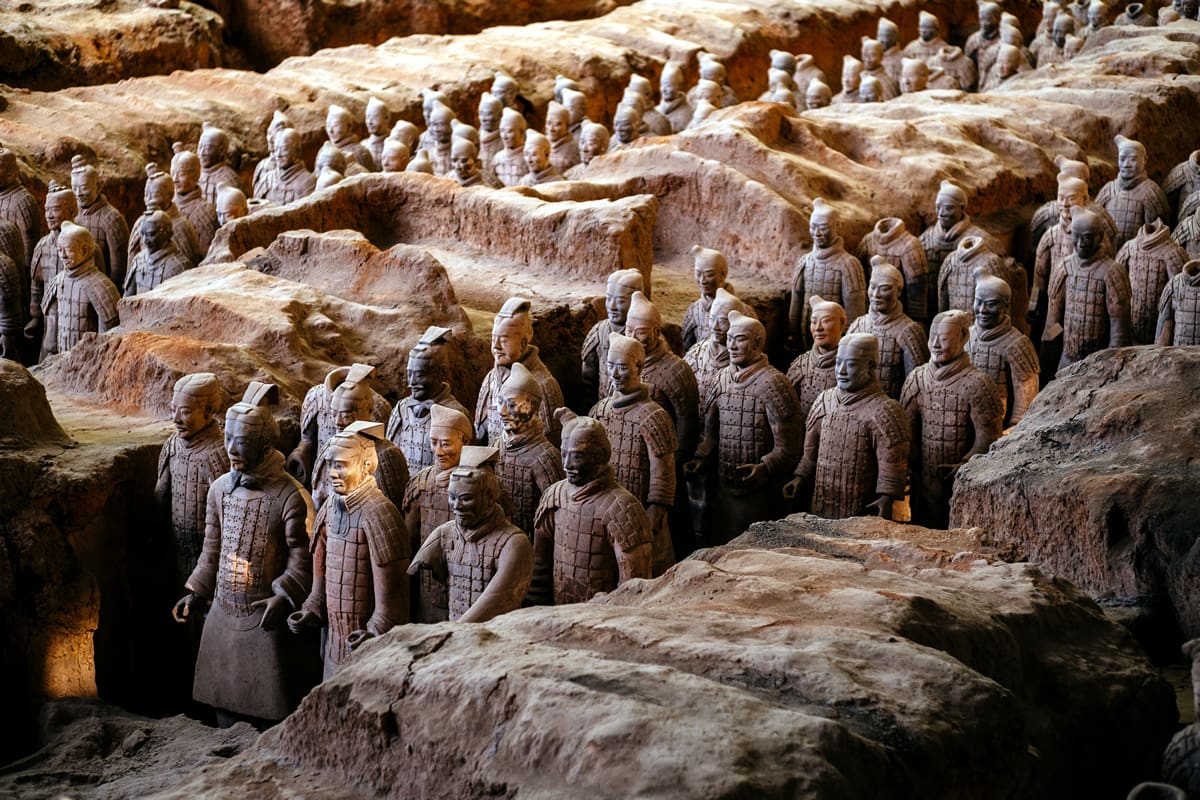
Warm and lively, highs reaching 24–28°C in central and eastern China. The countryside is lush, and mountain regions offer cooler retreats. It’s ideal for exploring ancient towns, cycling city walls in Xi’an, or venturing into Zhangjiajie’s dramatic sandstone pillars. Early summer festivals and markets add energy.
June
Summer heat builds, especially in the east and south, with highs often 28–32°C and rising humidity. Rice terraces shimmer bright green, and highland regions such as Yunnan provide cooler escapes. Occasional rain showers freshen the air, particularly along the Yangtze.
July
Hot and humid in much of the country, frequently 30–35°C in cities like Shanghai and Beijing. Mountain regions, Inner Mongolia’s grasslands, and Tibet’s plateau offer cooler alternatives. Evenings are lively, with night markets, street food, and illuminated skylines bringing relief after the midday heat.
August
Still hot and humid in the east and south, with similar temperatures to July. Afternoon thunderstorms are common. Coastal areas may see typhoons, while inland cultural sites remain accessible. It’s a vibrant month for festivals, alpine hiking, and exploring western China’s vast landscapes.
September
Heat eases to a comfortable 24–28°C in many regions, humidity drops, and skies are often clear. Autumn begins in northern provinces, and it’s one of the best months for walking the Great Wall, exploring Jiuzhaigou’s lakes, or visiting pandas in Chengdu.
October
Cool, dry, and beautifully crisp, with highs around 18–22°C in Beijing and milder warmth further south. Golden Week brings domestic travel crowds, but beyond that period it’s prime touring season. Autumn foliage colours mountain parks, and rural villages are especially picturesque.
November
Chill returns to the north, with highs around 10–15°C, while the south remains mild and pleasant. Tourist numbers thin, making it a peaceful time for exploring historic sites, tea regions, and city neighbourhoods. Clear skies often accompany cool, bright days.
December
Winter sets in across northern China, with highs around 3–7°C, while southern regions hover around 12–18°C. Festive lights decorate major cities, and snow occasionally transforms the Great Wall and imperial palaces. It’s a serene time for cultural visits, hot pot dinners, and quiet walks through historic quarters.
Our Ratings
 Most Recommended
 Recommended
 Highly Recommended
 Not Recommended